Nonprofit Financial Hub
Nonprofits Face Unique Financial Challenges
Balancing Mission Needs with Limited Resources

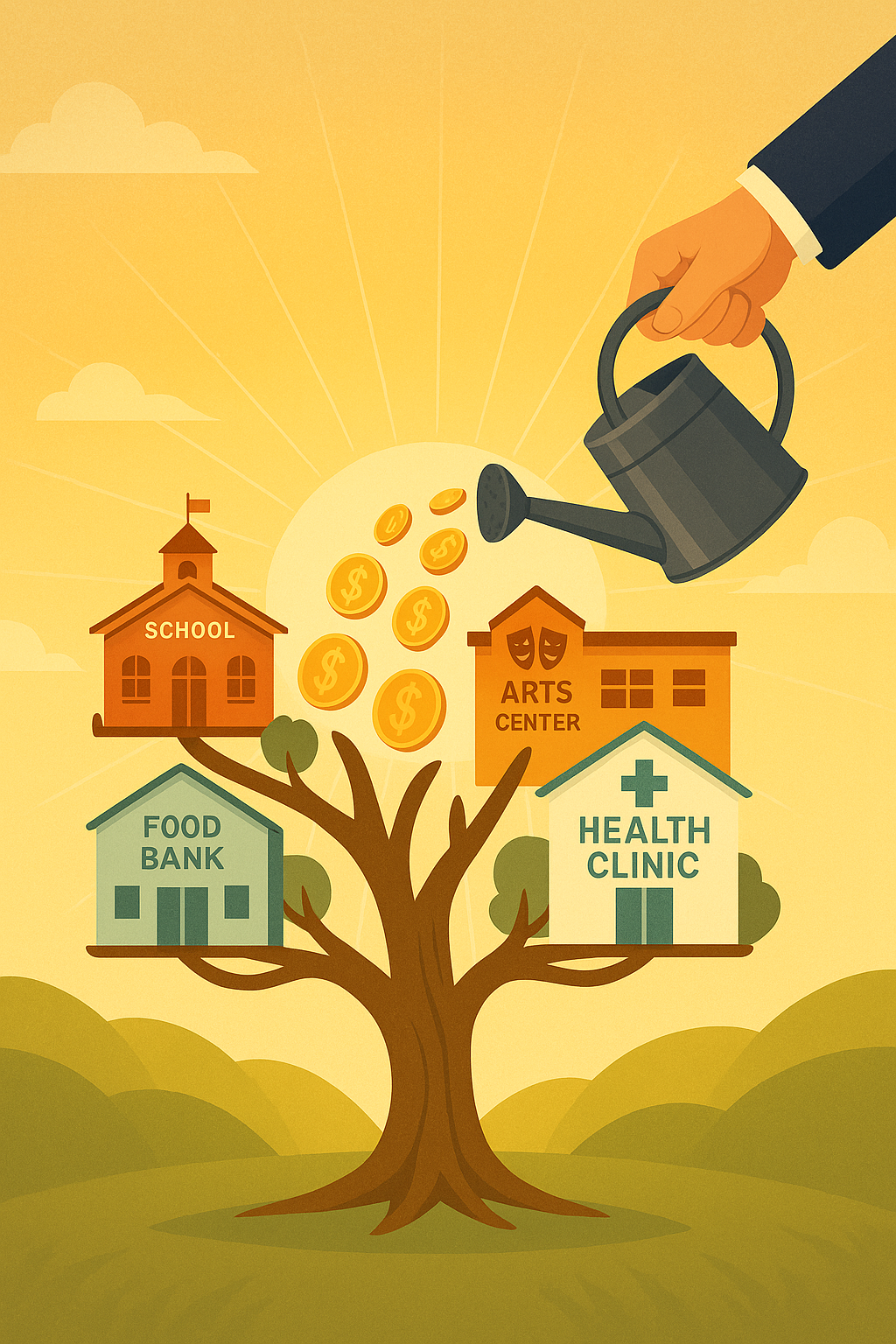
Running a nonprofit organization is deeply rewarding but it also comes with financial challenges unlike those faced by for-profit businesses. At the core of this tension is balancing limited financial resources with the often-unlimited needs of the community or cause being served.
If a retailer runs out of stock, the impact is usually minimal – customers can simply shop elsewhere. But if a nonprofit runs out of funding or cannot deliver services, the consequences can be severe, leaving vulnerable populations without essential support. Below, we explore the unique financial hurdles nonprofits face and explain how tools like nonprofit loans can effectively bridge the financing gap and keep missions thriving.
Unpredictable and Cyclical Funding
Nonprofits often operate at the mercy of unpredictable revenue streams. Donations can be seasonal, grant cycles don’t always align with operating needs, and government reimbursements may require programs to be delivered months, or even years, before payment is received. For many organizations, this creates prolonged cash flow shortages.
Compounding these issues, economic downturns, changes in government and government policies, and unexpected global or national events (think war, shootings, natural disasters) can shift donor priorities, causing sudden unexpected reductions in planned funds.
Over-Reliance on a Single Funding Source
Many nonprofits are heavily dependent on one donor, one grant, or one government program. This dependence can feel stable—until it isn’t. A change in political leadership, a donor’s shifting interests, or a single grant rejection can put an entire budget at risk.
Restrictive Funding
Donations and grants often come with strings attached. Funds might only be used for a particular program, geographic area, or expense type. While this ensures donor intent, it often leaves nonprofits without flexibility to cover urgent or emerging needs.
Short-Term Funding
There’s a prevailing trend of short-term grants for nonprofits, typically one year. While many of these can be applied for again there is no guarantee they will be awarded in subsequent years. This makes it challenging for nonprofits to plan long-term, invest in capacity-building, or undertake multi-year projects.
Chronic Underfunding of Overheads
Funders love to support programs but are often reluctant to fund “overheads” such as rent, technology, training, or salaries. This pressure to keep administrative costs artificially low can starve organizations of the very infrastructure they need to deliver services efficiently. Ironically, proper investment in staff, systems, and operations can actually make programs more effective and sustainable over time.
Increased Competition for Limited Dollars
With thousands of nonprofits competing for a limited pool of grants and donations, organizations must spend significant time and resources on fundraising instead of their mission. Smaller organizations, in particular, may struggle to compete against larger peers with dedicated development staff.
Complex Application and Reporting Requirements
Applying for grants and contracts is often a labor-intensive process. Funders may require detailed budgets, logic models, multi-year projections, and outcome frameworks. Once awarded, each donor often imposes unique reporting requirements. For smaller nonprofits without grant writers or compliance staff, the administrative burden can become overwhelming.
Pressure to Demonstrate Short-Term Impact
The demand for measurable, quantifiable impact has grown dramatically. While accountability is good, many social problems, such as poverty reduction or community development, require long-term investment and cannot always be measured in a single year. Nonprofits may end up chasing short-term “wins” just to satisfy reporting demands, even if this diverts resources from sustainable solutions.
Evolving Donor Preferences and Technology Gaps
Today’s donors are digital-first, giving through online platforms, social media campaigns, and crowdfunding sites. Nonprofits must adapt quickly to new fundraising channels, often requiring investments in digital marketing, CRM systems, and data analytics. For organizations without in-house expertise, this creates both a skills and resource gap.
Lack of Endowments and Safety Nets
Unlike many major universities and hospitals with large endowments, most nonprofits live “paycheck to paycheck,” with little financial cushion. Without reserves, they are vulnerable to sudden funding delays or unexpected expenses.
External Economic and Political Risks
Changes in the broader economy influence donor giving, corporate sponsorships, and foundation investment portfolios. Meanwhile, shifts in political priorities can result in reduced or redirected government funding. Both create instability that nonprofits cannot control.
Scalability Barriers
When a nonprofit develops a proven model, scaling it to new communities requires significant upfront capital, often millions of dollars. Traditional philanthropy rarely provides this kind of growth funding, leaving many impactful organizations unable to expand their reach.
Regulatory and Compliance Complexity
Nonprofits must comply with a maze of federal, state, and local regulations. Maintaining tax-exempt status, adhering to grant rules, and passing audits all require careful recordkeeping and financial oversight. Mistakes can jeopardize funding or public trust.
Donor Imposed Reporting
Different donors, for example foundations and grant issuers, have varying reporting requirements, leading to an administrative burden for nonprofits to customize reports for each donor. Again, this cycle means many nonprofits are excluded due to a lack of resources from applying for the very funding that would alleviate their issues.
HOW FINANCING CAN HELP
Addressing these funding challenges requires a combination of strategic planning, diversification of funding sources, building strong relationships with donors, transparency in operations, and continuous adaptation to the changing fundraising landscape.
One tool in the arsenal of nonprofit executives is borrowing. Used prudently and efficiently, well-structured loans can alleviate some of the above issues faced by nonprofits. While philanthropy and grants may remain the backbone of nonprofit funding, loan financing is an increasingly important tool to bridge financial gaps. Properly structured nonprofit loans can:
 Smooth Cash Flow: Cover expenses while awaiting delayed grant reimbursements or seasonal donations.
- Enable Growth: Provide capital to scale successful programs into new communities.
- Invest in Capacity: Fund staff, technology, or infrastructure that make organizations more efficient.
- Increase Flexibility: Offer unrestricted funds that can be applied where they’re most needed.
- Build Resilience: Reduce reliance on a single funding stream and provide a buffer against economic shocks.
B Generous can support your financing needs with access to nonprofit term loans, bridge loans, construction loans, faith-based loans and nonprofit lines of credit. Learn more here.
Final Thoughts
The financial challenges nonprofits face are real, complex, and often systemic. But solutions exist. By combining traditional philanthropy with smart financial tools such as nonprofit loan financing, organizations can strengthen their resilience, expand their capacity, and continue meeting the needs of the communities they serve.