Nonprofit Financial Hub

Cash flow and bridge loans for nonprofits
When funding is promised but payroll is due
If cash flow and bridge loans are on your mind, it’s probably because this sounds familiar. It’s Wednesday; payroll hits Friday. Your biggest grant is restricted (earmarked for a program), and the reimbursement lands in 60–90 days. A donor pledged $200,000 for Q4, but the venue wants a 50% deposit today. You’re not mismanaging, your timing’s mismatched. In moments like this, a short-term bridge can steady the gap so operations don’t wobble.
Meanwhile, your clinic shelves are light on supplies, and vendors tack on late fees by day ten. Programs pause, staff morale dips, and leadership spends hours triaging instead of serving. This is common even in well-run nonprofits; cash in transit can’t pay Friday’s bills. A nonprofit-focused cash flow tool, like a bridge loan aligned to your incoming grant or pledge, keeps payroll, rent, and services on track while the reimbursement clears. So why does this keep happening even when you plan well?
📚
Learn the Basics
New to bridge financing? Browse our bridge loan resources for plain-English guides, examples, and checklists to size your gap and compare options.
The structural reasons timing gaps are normal
You asked why this keeps happening even when you plan well. Many nonprofit revenues are reimbursement-based (you deliver services now and get paid later), or paid in milestone tranches that arrive weeks after spend. Year-end giving spikes while summer slows, creating seasonal valleys. Restricted gifts (earmarked for specific programs) can’t cover rent or payroll, so you’re rich on paper and short on cash. Growth magnifies the gap as volume rises faster than receipts. Reserves cushion bumps, but rarely float 60–90 days of operations.
Your cash conversion cycle (the time between spending dollars and collecting them) stretches with each requirement. Invoices may go out monthly, then sit on net-45 terms (paid 45 days after invoice) while program costs run daily. Many grants require progress reports, site visits, or approval of drawdowns before disbursement, adding a week or three. Meanwhile utilities, benefits, and vendor contracts operate on fixed due dates. That mismatch, daily outflows versus episodic inflows, is why a perfectly balanced budget can still feel tight.
Strong management doesn’t eliminate timing friction; it makes it visible sooner. You can have a clean audit, healthy margins, and a disciplined 13-week cash forecast, yet still face a 30–120 day gap between service and payment. That’s normal in government contracts and foundation grants. It’s also common with multi-year pledges scheduled by donors. Our point: you’re not failing; the system is slow. The smart move is planning for the lag so programs and payroll never pause.
Want a safety valve for timing? Explore our nonprofit financing solutions built to match cash in with cash out.
 The hidden price of cash-flow delays
Waiting costs more than patience. Vendors add late fees or pause deliveries, and relationships fray when you renegotiate twice in a quarter. Payroll worries ripple through morale and retention; people can’t focus on clients when they fear missed checks. Paused programs miss milestones and outcomes, which weakens future grant renewals. Donor trust wobbles when events scale back or reports slip. Meanwhile the board feels whiplash from stop-start spending, asking for weekly updates that pull your team off mission work.
Operationally, gaps cascade. Finance slows payments to protect payroll, programs defer purchases, and IT delays renewals, then small issues become big ones. Programmatically, fewer sessions mean fewer people served and lower impact data in your next report. Reputationally, partners and funders notice unpredictability long before insolvency is a risk. Even compliant delays can trigger audit questions you must answer. And every extra hour leaders spend triaging cash replaces time with staff, clients, and strategy. The meter keeps running, even when revenue is “on the way.”
A youth nonprofit delivers after-school tutoring under a city contract. Reimbursements arrive 60 days after invoicing; rent and payroll are due next week. They delay vendor payments, cut snacks, and freeze hiring. The copier lease flags them. Staff juggle hours to protect checks, burning goodwill. When the reimbursement finally lands, catch-up costs eat precious margin.
Most leaders try every stopgap first, tap reserves, ask vendors for grace, speed up invoices, even lean on a credit card, before considering external financing. It’s understandable. In the next section, we’ll size up those tactics honestly so you can see when they help and when they quietly raise risk.
Stopgaps vs. sustained stability
Reserves are mission-friendly but finite; two payrolls and a rent check can drain months of savings. Vendor extensions buy days, but repeated asks erode credibility and may trigger holds. Accelerating receivables helps only if your counterparty can speed approvals, often they can’t. Credit cards are fast but expensive and too small for payroll. By contrast, a line of credit (LOC) offers flexible access but can take weeks to secure and may require collateral and covenants. Short-term loans move faster and fit defined gaps, yet pricing and structure vary. The right choice depends on timing, amount, and certainty of repayment.
Governance matters, too. Tapping board-designated reserves may require a resolution and a plan to replenish, or it can raise audit optics about ongoing viability. Vendor stretching can create contingent liabilities if you breach terms. Credit cards complicate expense controls and can signal weak cash planning if balances linger. LOCs introduce covenants (performance promises) you must monitor, which is fine if you have capacity. Purpose-built, short-term financing tied to specific receivables keeps documentation clean: award letters, contracts, pledge schedules. Sustainability test: will this tool still work if the same 60–90 day lag hits three times this year? If not, reconsider.
If you’re weighing flexible access for recurring small gaps, our line of credit insights break down timelines, requirements, and costs, and when an LOC complements a bridge instead of replacing it.
The purpose-built fix: bridge loans for nonprofits
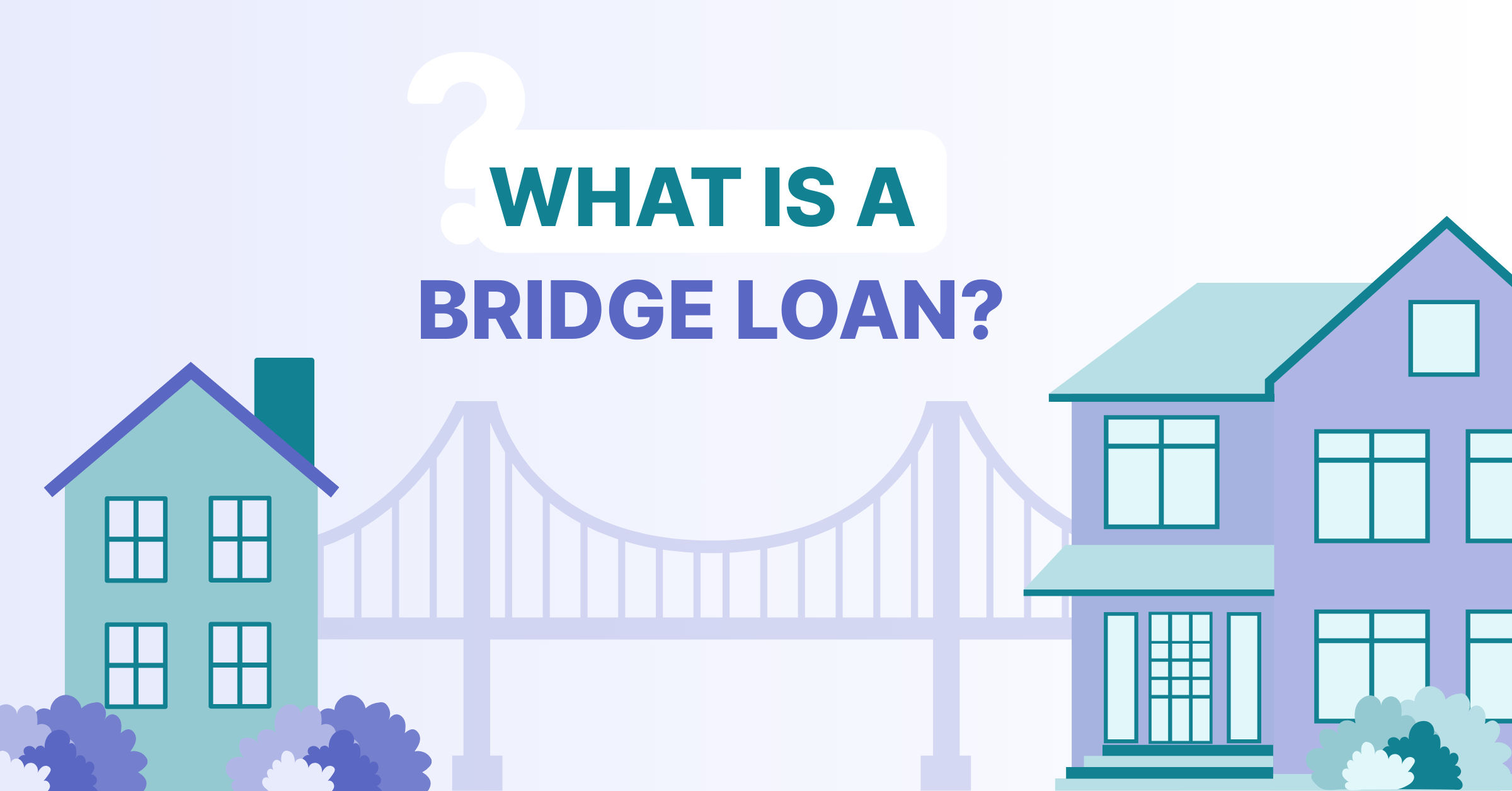
A nonprofit bridge loan, also called a cash flow loan, is a short-term advance against near-certain receipts, like signed grants, executed contracts, dated pledges, or scheduled campaign installments. You borrow today, then repay when that specific inflow lands. The goal isn’t debt for debt’s sake; it’s mission continuity during a timing mismatch. Because the repayment source is defined, decisions are fast and terms are clear. With B Generous, qualified organizations can access up to $100 million, complete a streamlined application in under 10 minutes, and pay no upfront costs. We structure around your receivable, so funds arrive in days, not months, without derailing programs or payroll.
What can it cover? The immediate essentials: payroll this Friday, vendor invoices aging toward late fees, deposits for venues or equipment, startup costs for a new contract, and supplies that keep clinics and classrooms running. Our underwriting aligns the amount and term to your documented receivable, then sets repayment to that source, no guesswork. Most decisions arrive within a few business days after receiving documents, and funding typically follows quickly. You can draw what you need and repay early without penalty if your inflow hits sooner. The result: steady operations while revenue timing catches up.
Boards and finance teams want clarity. We document the repayment source up front, award letters, contracts, pledge agreements, and align term lengths to realistic receipt dates plus a buffer. Terms are transparent in plain English: amount, total cost, timing, and any assignment of receivables (directing a portion of the incoming payment to repay). You’ll know exactly what affects pricing, such as term length and credit profile, before you sign. Reporting is simple, and early repayment is welcome. This approach fits standard governance: clear authorization, evidence of repayment, and a defined exit. In short, it’s a time-bound tool that respects fiduciary duty.
🔗
Explore Product Details
See structure, timelines, and examples in our Bridge Loans for Nonprofits overview and learn how we align repayment to your grant, contract, or pledge.
🧭
Go Deeper
Want tactics and templates? Browse our bridge loan guides to size your gap, prep documents, and compare bridges to lines of credit and other tools.
How to apply and get funded quickly
 You’ve seen the guides, now here’s the fast path: a 20-minute application, fast decisions, clear offers, and funding in days after term sheets are signed. These are the milestones from click to cash in your account.
- Step 1: Start the online application, org name, tax ID, contacts, intended use, and repayment source. Most teams finish in under 10 minutes, even on a phone.
- Step 2: We validate your revenue source, signed grants, executed contracts, or dated pledges, and sanity-check timing and amount. Example: an award letter showing $250K due in 60 days.
- Step 3: Upload documents: financials, budget, cash flow forecast, bank statements, and award letters or pledges. If you have a 13-week model, include it to align term length.
- Step 4: We present a clear offer, amount, term, total cost, and repayment tied to your inflow. No upfront costs, and you can ask questions before you e-sign.
- Step 5: Funding follows quickly, often within a few business days, via ACH (Automated Clearing House, electronic bank transfer) to your operating account. Use only what you need.
- Step 6: Repayment happens automatically when your grant, contract, or pledge is received; proceeds retire the loan per agreement. Early repayment is welcome if funds arrive sooner.
Want to move even faster? Grab our nonprofit loan application checklist to prep documents, confirm your repayment source, and shorten review time. It’s the quickest way to turn an approval into funded dollars.
Bridge loan vs. line of credit vs. term loan
Checklist ready and repayment timing confirmed? Now choose the right tool for your gap. Matching tool to timing protects programs and cost. Compare a bridge loan with a nonprofit line of credit, a term loan, and cards so you fund fast without surprises.
| Tool | Best For | Typical Term | Pros | Trade-offs |
|---|---|---|---|---|
| Bridge loan | Bridging specific, near-certain receivables (grants, contracts, dated pledges) | Weeks–12 months; aligned to receivable timing | Fast access; aligns repayment to known inflow | Requires clear documentation and timing of expected funds |
| Line of credit | Recurring, seasonal swings and day-to-day cushion | Revolving facility; annual review/renewal | Flexible draw and repay; interest only on what you use | May require collateral and covenants; renewal and limit risk |
| Term loan | Long-lived assets, buildouts, vehicles, or major expansion | 2–7 years; amortized fixed payments | Predictable payments; larger amounts and longer horizons | Not designed for timing gaps; slower underwriting cycle |
| Credit cards/advance | Very short-term expenses, travel, supplies, emergencies | 30 days to a few months | Convenience, ubiquity, and rewards; instant availability | High cost; small limits; risk if not cleared monthly |
Common scenarios a bridge loan solves fast
After weighing options, especially credit cards’ high cost and small limits, these are the moments a bridge shines for you. In each case, we align repayment to documented revenue: signed grants, executed contracts, or dated pledges.
- Grant reimbursement timing: Services delivered now; payroll and vendors due weekly; grant pays 60–90 days after your report. Borrow against the award letter; repay on disbursement.
- Pledge collection lag: Year-end campaign pledges pay monthly or quarterly; venue deposits and payroll can’t wait. Bridge to cover 30–120 days; repay as dated installments arrive.
- Government contract delays: Contract executed; first draw lags for onboarding and approvals. Use a short-term bridge for ramp-up costs; repay on the first reimbursement cycle.
- Event proceeds pending: Sponsorships and ticket payments settle after the gala, while caterers want 50% upfront. Bridge the gap; repay when the payment processor clears funds.
- Construction draw timing: Contractors and materials bill today; grant or loan draws release after inspections. Bridge milestones; repay as draws fund per the construction schedule.
- Pre-development costs: Architectural, environmental, legal, and permits come before closing long-term capital. Use a short bridge; repay when your construction or permanent financing closes.
If your project is earlier or larger, explore our Pre-Development Financing and construction financing for nonprofits to pair short-term bridges with the right long-term capital.
Tailored programs for your sector
If your project is earlier or larger, sector details shape the right structure. See how we tailor timing, collateral, and draws for your world. Next, we’ll unpack costs and terms.
- Charter Schools: Growth needs classrooms now. Our Charter School Financing covers facilities, ramp, and per-pupil funding timing so payroll and buildouts stay on track.
- Hospitals & Clinics: Claims lag but care can’t. hospital loans fund equipment, expansion, and capital aligned to payer cycles, staffing and supplies don’t slip.
- Faith-Based Organizations: Giving spikes at holidays. faith based loans smooth seasonal cash, covering staff, outreach, and facilities so operations stay steady between pledge cycles.
What does a bridge loan cost?
With sector swings like holiday giving or payer delays, what will this actually cost you? Total cost comes from interest or service fees, any origination fee, and the term, which typically spans weeks to 12 months. Pricing reflects documentation quality, repayment certainty, and your financial profile. We keep it simple: no upfront costs, fast decisions, and plain-English offers. Our focus is fit, borrowing just enough, for just long enough, to keep programs and payroll steady.
Because every scenario is different, offers vary with timing and certainty. Quick example: a $300,000 city reimbursement lands in 75 days; your burn is $4,000 per day. Waiting can rack up $12,000 in late fees, overtime, and rushed shipping, and trigger vendor holds. Compare that disruption cost to the total dollar cost on your offer. If a bridge keeps payroll, clinics, or events on schedule, it often more than pays for itself.
When repayment is anchored to a documented receivable, an executed grant, contract, or dated pledge, terms improve and funding moves faster. A clear 13-week cash flow forecast right-sizes the amount and term, adding a small buffer without over-borrowing.
A lender-readiness checklist
Got your documented receivable and 13-week forecast? Here’s how to package them so we fund faster and your repayment stays clean.
- Documented source: Executed grant or award letters, signed pledges, or contracts with clear payment schedules and dates.
- Cash flow forecast: Month-by-month inflows and outflows (13-week view works) showing the gap, repayment date, and a small timing cushion.
- Board alignment: Board or finance committee briefed on purpose, amount, terms, and repayment plan; resolution ready if required.
- Budget vs. actuals: Most recent YTD (year-to-date) and prior year reports that show spending control and predictable variance.
- Vendor pipeline: List upcoming payroll, rent, vendor invoices, and deposits the bridge covers so you borrow only what’s needed.
- Compliance readiness: Note reporting deadlines, draw process (how to request disbursement), and any fund restrictions to prevent delays or clawbacks.
Ready to see all your options? Explore our nonprofit financing solutions, then jump to the quick case snapshot to see how this prep translates into fast, clean funding.
 What this looks like in real life
So, what does that prep look like in practice? Sound familiar? A food security nonprofit faced a 60-day city reimbursement lag on a $500,000 contract while payroll and food purchases hit weekly. They knocked out our 10-minute application and uploaded the award letter, Form 990 (annual IRS filing for nonprofits), a 13-week cash forecast, and three months of bank statements. We verified the receivable the same day, sent an offer in 24 hours, and funded $250,000 within three business days; repayment was set to clear automatically when the city disbursed. Operations never paused, pantry hours stayed open, and payroll stayed on time.
During the bridge period, vendors shipped on schedule because invoices were paid net-30 (payment within 30 days), not late. Staff stayed focused on clients, not crisis updates, and retention held steady. Most important, the pantry maintained full hours and delivered roughly 28,000 meals over eight weeks, serving 1,900 families without a single canceled distribution. Donors received timely updates, and the city saw uninterrupted service metrics.
When reimbursement arrived, the loan repaid automatically and programs stayed stable. Trust held with staff, vendors, donors, and the city. The board gained a clear, repeatable playbook. Ready to protect your next payroll?
Bridge financing can keep essential services uninterrupted during reimbursement lags.
Ready to stabilize cash flow?
If you’re ready to protect your next payroll, a short bridge keeps staff paid and programs running while grants, contracts, or pledges clear. Start our 20-minute application and get an initial decision in days.
Not sure which tool fits? Explore all options in our nonprofit financing solutions and compare bridges, lines of credit, and specialty financing to pick the right match.
Disclaimer:
All examples, case studies, timelines, and cost calculations in this article are illustrative only and are not guarantees of terms, pricing, approval, or funding speed. Actual financing structures, interest rates, fees, and timelines depend on the borrower’s financial condition, documentation, collateral, and other underwriting factors. This content is provided for educational purposes and does not constitute financial, legal, or investment advice.